
Clinical Communications with Providers: Why Your Messaging Infrastructure Is a Product Problem
For most health IT product and BD teams, clinical communications with providers is treated as a solved problem. It isn't. It's one of the most persistent, underestimated sources of integration failure, partner friction, and customer churn in the market — and the organizations that get it right build a durable competitive advantage.
Patient Navigation Is the Key to Improving Patient Outcomes: Here's What's Getting in the Way
Improving patient outcomes in specialty care doesn't start with better intentions. It starts with better visibility, clearer accountability, and structured pathways that make sure nothing — and no one — gets missed.
The Last Mile in Cancer Screening
Why Delivering Results to PCPs Is Essential but not Sufficient for Faster Treatment and Better Outcomes
When You Can’t Find the Care Team, Nothing Else Matters
In healthcare, finding the right person to talk to, not just a name on a list, has always felt like a half-mystical art and half-administrative nightmare.
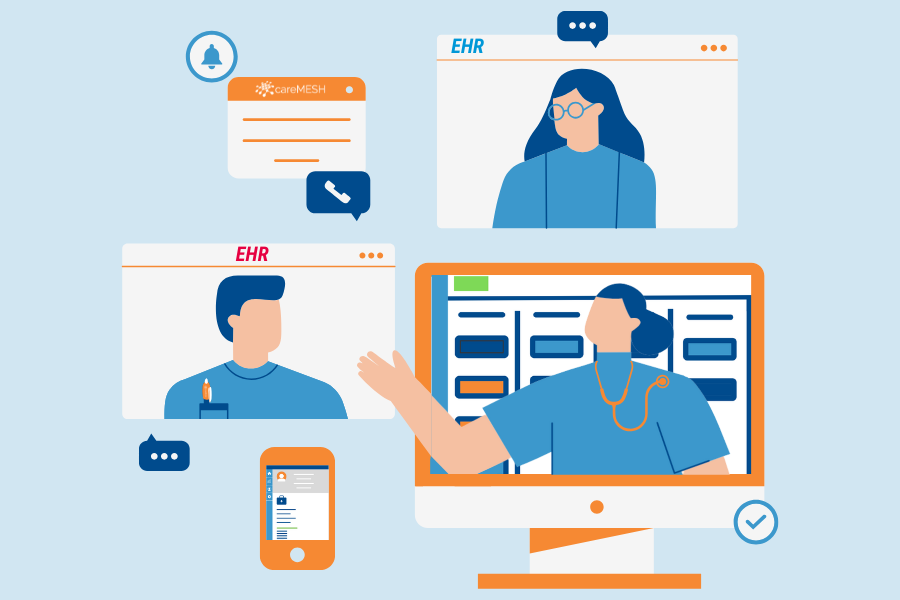
A New Year’s Resolution for Healthcare IT: Stop Adding Tools. Start Connecting Teams.
Healthcare IT has too many tools and not enough connection. Learn how careMESH CONNECT simplifies secure communication and fixes broken care coordination.

Building Sustainable Oncology Navigation: What Comes After the Grant Ends?
As healthcare continues to evolve, and the pressures on navigation programs grow, sustainability will depend on partnerships, integration, and a relentless focus on equity. Embedding navigation into workflow across the care continuum takes modern tools and thinking big.

From Episode to Continuum: Building True Longitudinal Care Coordination
Episodic coordination works well for discrete problems. It ensures a safe discharge or a closed referral loop. But when the next phase begins —VAD evaluation, dialysis, transplant —the communication pathways we built for the last stage often collapse.
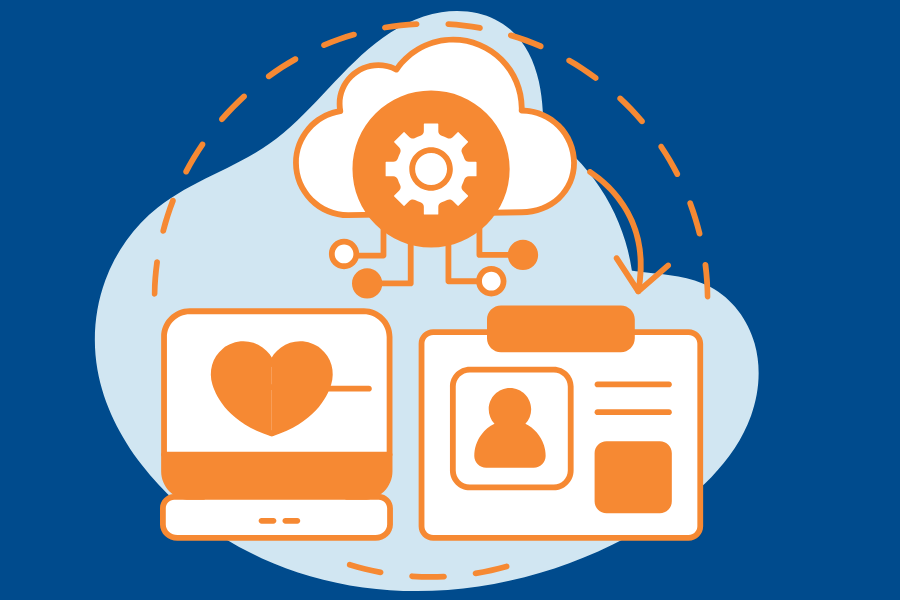
Streamlining the EHR Provider Directory: A Data Analyst's Journey
Maintaining a comprehensive and accurate provider directory is a critical task for any healthcare organization. However, as many data analysts and software engineers know, this process can feel like a boss battle with an ever-changing spreadsheet.

Where Does it Hurt? Outcome Visibility: You Can’t Improve What You Can’t See
You can’t manage what you can’t measure, and you certainly can’t improve it.
Patient navigation is a high-impact program that helps patients navigate efficiently through the complexities of the healthcare system. But if you’re not tracking what happens after the handoff - who followed through, who didn’t, and why - you’re left guessing at its effectiveness.

Where Does it Hurt? Disconnected Workflows: The Hidden Cost of Siloed Navigation Tools
Patient navigation programs were designed to guide patients through complex care journeys: streamlining referrals, closing gaps, and improving outcomes. But if your navigators are still juggling spreadsheets, Post-its, or siloed EHR tools, they’re not navigating, they’re barely keeping their head above water.

Reimagining Discharges: Reducing Costs and Alleviating Clinician Burden
In the ever-evolving landscape of healthcare, the transition from hospital to home remains a critical juncture. Yet, many hospitals continue to rely on manual processes for discharging patients, leading to inefficiencies, increased costs, and clinician burnout. At careMESH, we've developed solutions that not only streamline these transitions but also enhance patient care and provider satisfaction.